New Westminster top Concrete Contractor for Driveways Patios and More
New Westminster top Concrete Contractor for Driveways Patios and More
Blog Article
Expert Concrete Contractor for All Your Building Needs
Retaining a proficient concrete service provider is fundamental for the success of any construction venture. Their expertise guarantees that tasks are concluded productively and to a premium standard. These professionals address challenges with skill and have established relationships that reduce complexity in material sourcing. Understanding local regulations and prioritizing safety are also key aspects of their role. Yet, many fail to recognize the long-term benefits of choosing the right contractor. What criteria should one evaluate when making this important decision?
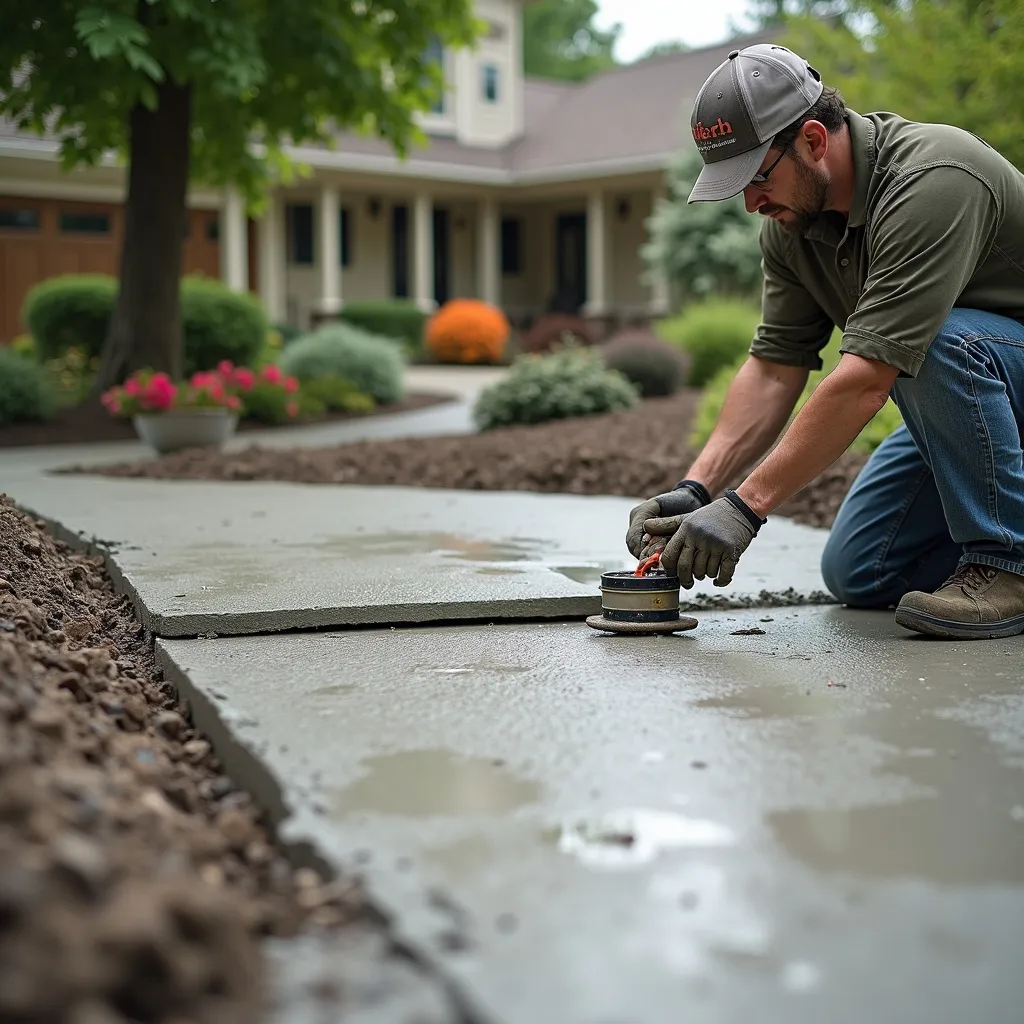
Why Appointing an Proficient Concrete Contractor Holds Value
When reviewing a building undertaking, the necessity of choosing an veteran concrete contractor cannot be understated. An experienced contractor delivers a substantial amount of understanding and expertise that are critical for upholding the caliber and durability of concrete work. Their background with diverse strategies and materials allows for superior judgment, as a result generating a more solid and trustworthy structure.
Furthermore, experienced contractors are skilled in maneuvering possible obstacles that may arise during the building phase. They are prepared to manage unforeseen problems effectively, reducing delays and additional costs. In addition, an seasoned contractor often has established relationships with suppliers and subcontractors, which can optimize the acquisition of supplies and materials.
Essential Characteristics of a Trustworthy Concrete Contractor
A dependable concrete contractor possesses multiple crucial characteristics that distinguish them in the construction industry. First and foremost, excellent communication abilities are vital; they guarantee that clients are informed throughout the project, fostering trust and clarity. Additionally, a strong track record established through favorable client reviews and recommendations indicates a contractor's reliability and quality of work.
In addition, competence in various concrete applications, together with understanding of the latest techniques and materials, allows them to provide superior results. Attention to specifics is another key quality, as it guarantees precise measurements and strict levels of workmanship.
Ultimately, a commitment to safety and adherence to regulations demonstrate professional conduct and accountability. By embodying these attributes, a reliable concrete contractor not only meets client expectations but also contributes to positive project results, making them indispensable in the construction field.
Tips for Selecting the Ideal Concrete Project for Your Situation
Deciding on the suitable concrete assignment requires thorough thought of defined needs and objectives. Individuals should start by evaluating the intended use of the concrete, whether for driveways, foundations, or decorative elements. A clear understanding of the project's purpose guides the selection of materials and methods.
Next, budget constraints represent an important role. Analyzing available financial resources supports in determining the scale and complexity of the project. Additionally, the local climate can impact the choice of concrete type and curing techniques, securing sustainability and permanence.
It is also critical to factor in the timeframe for completing your project. Some concrete applications demand curing time, which may impact your schedule. Speaking with an seasoned concrete specialist can deliver helpful guidance into the best practices and possible alternatives. Ultimately, aligning the specifics of your project with your personal requirements leads to a successful concrete project that meets the desired outcomes.
What You Need to Know About Local Concrete Regulations?
Comprehending local concrete requirements is essential for any building undertaking, as these rules govern various aspects of concrete application, including material specifications, installation methods, and ecological factors. These requirements are typically established by municipal or state authorities and can differ significantly from one location to another.
Contractors ought to understand zoning laws, which can shape where concrete structures may be placed. Additionally, building codes regularly prescribe the required strength and composition of concrete mixes, maintaining safety and durability. Environmental regulations may also necessitate the use of eco-friendly materials and proper waste disposal methods to reduce environmental impact.
Failure to comply with these regulations may result in monetary penalties, project delays, or even court proceedings. Consequently, collaborating with local authorities early during the planning process is recommended. Understanding and following these regulations not only strengthens community safety but also boosts the integrity of the construction project.
Ways Experienced Contractors Conserve You Valuable Hours and Expenses
Professional contractors play a pivotal role in improving construction projects, allowing clients to benefit from both time efficiency and cost savings. Their extensive experience permits them to navigate complex tasks swiftly, minimizing the overall project timeline. By leveraging industry connections, professional contractors often negotiate better rates on materials, leading to lower costs for clients.
Additionally, their expertise of local statutes ensures adherence, which minimizes the risk of costly delays and fines. Proficient project administration is yet another key benefit, as these professionals supervise employees and supplies, inhibiting bottlenecks that can generate increased outlays.
Moreover, by applying established methods, skilled professionals reduce the probability of mistakes, which can cause costly revisions. Ultimately, engaging a seasoned contractor not only improves the quality of the undertaking but also optimizes budget allocation, making it a sound investment for any building project.
Superior Components and Methods: Why They Matter in Concrete Work
Quality in concrete work is indispensable, as it directly shapes the durability and longevity of any construction project. read the information The choice of high-grade materials plays an significant role; inferior concrete can lead to cracking, erosion, and structural failure over time. Using quality aggregates, cement, and additives ensures that the final product can withstand environmental stresses and heavy loads.
Moreover, harnessing state-of-the-art methods during the mixing, pouring, and curing phases markedly enhances the integrity of the concrete. Proper mixing ratios and curing methods help achieving supreme strength and diminish vulnerabilities. Experienced contractors grasp these particulars and implement optimal procedures to secure excellent results.
Ultimately, putting money into quality materials and techniques not only enhances the structural performance but also reduces long-term maintenance costs. This basis of dependability is essential for both commercial and residential projects, ensuring that they endure through the years. Quality in concrete work is an investment with significant returns.
Frequently Asked Questions
What Kinds of Cement Solutions Do Professionals Generally Provide?
Concrete contractors typically offer a range of offerings including foundation pouring, installing driveways, decorative concrete work, slab construction, creating sidewalks and patios, repairing and resurfacing, as well as demolition and recycling of concrete.
What timeframe should you anticipate for a standard concrete undertaking?
A conventional concrete project typically takes from one to three days, contingent on factors such as project size, complexity, weather conditions, and curing time. More substantial or elaborate projects may necessitate additional time for completion.
What Are the Standard Warnings of Inferior Concrete Work?
Common signs of deficient concrete application consist of visible cracks, bumpy texture, faulty water flow, staining, flaking, and granular breakdown. These issues typically point to inadequate curing, improper mixing, or inadequate setup, weakening the structure's integrity and longevity.
Can I Order Custom Designs for My Concrete Project?
Yes, bespoke designs for concrete undertakings can be requested. Plenty of builders enable customization in design, giving customers to weave in unique features and aesthetics that align with their vision, enhancing both effectiveness and visual appeal.
How Do Weather Conditions Impact Concrete Hardening?
Environmental conditions greatly impact concrete setting. High temperatures can accelerate drying, leading to cracking, while cold can slow the process, jeopardizing incomplete hydration. Ideal curing necessitates moderate temperatures and managed moisture to assure durability and strength.
Report this page